


What the Heck.... Does the Arizona Mine Inspector Do?
Here's a fun bit of trivia for your next backyard barbecue: who's actually in charge of mine safety in Arizona? If your first guess was "some office tucked inside a bigger state agency," you'd be way off. Arizona voters elect this person statewide, same as they do the Governor, the Attorney General, and the Secretary of State.
Yep, it's true. The Arizona State Mine Inspector is a constitutional officer, not some appointed desk job buried in an org chart. It's one of those odd little details about Arizona government that catches even lifelong residents off guard. Once you know it, though, a lot of the confusion around who does what starts to make sense.

That confusion is why we
need a highly experienced
miner in the job. A mechanical engineer with decades in the mines and pits.
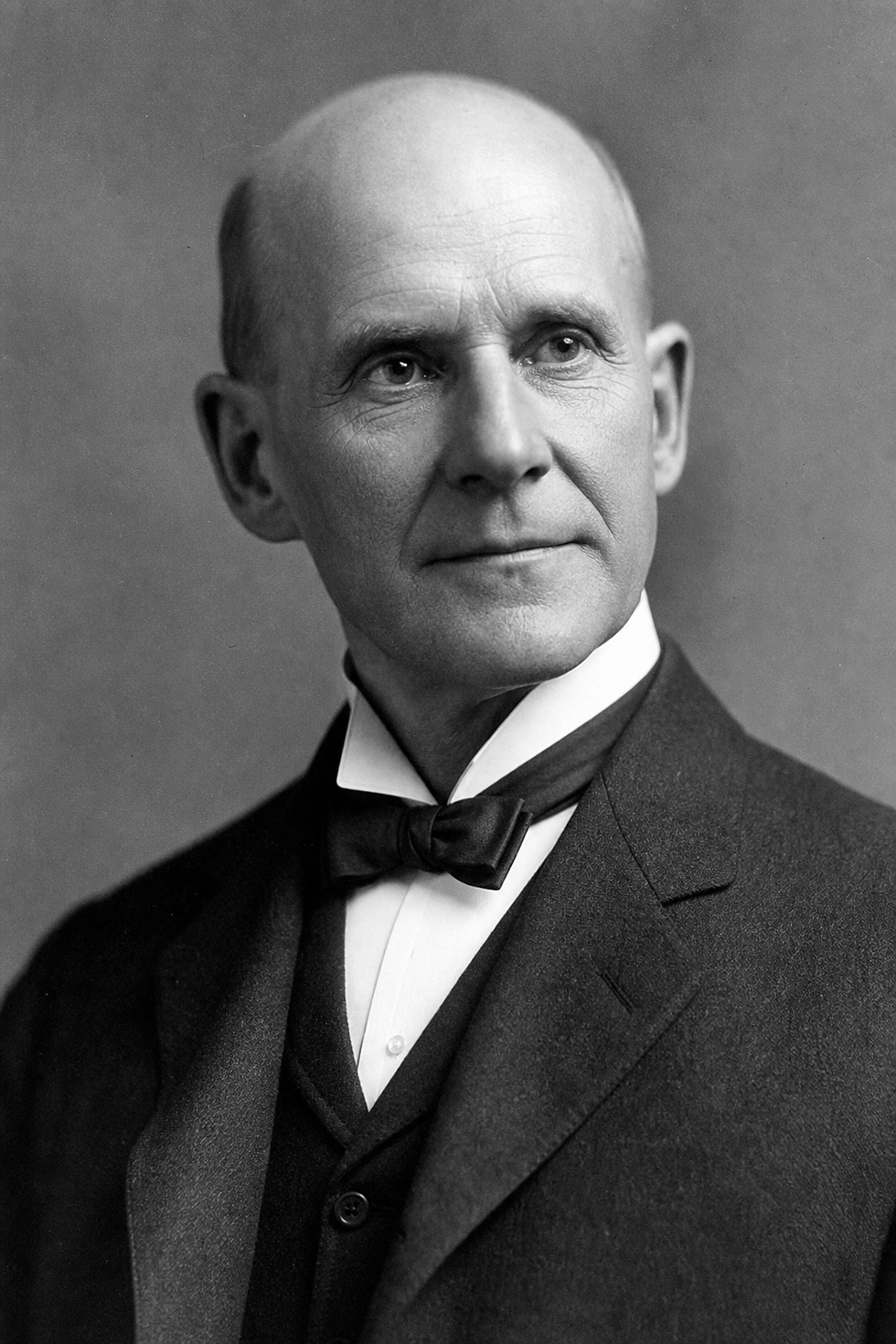
We support Brian Matlock

The Constitutional Backstory
This isn't some office Arizona dreamed up in a recent legislative session. It's written right into the state's founding document. Article XIX of the Arizona Constitution creates the Mine Inspector as an elected position, kept separate from the Judiciary (that's Article VI, home to the courts) and separate from the executive agencies the Governor runs.
Curious what the actual language says? You can read it here: Article XIX of the Arizona Constitution.
Why does any of this matter? Because it means the Mine Inspector reports to voters, full stop, not to the Governor's office. Arizona's mining roots run deep, and the folks who wrote the state constitution apparently decided mine safety deserved its own political lane, independent of whoever happens to be sitting in the Governor's chair.
So What Does This Office Actually Do?
Once elected, the Mine Inspector's real authority comes from Title 27 of Arizona's statutes. Here's the plain English version of what that means on the ground:
Inspects active mines. The office sends people into working mines around the state to look for safety hazards, code violations, and anything else that could get a worker hurt.
Investigates accidents. When something goes wrong at a mine, this is often the office doing the digging into what happened and why.
Issues dangerous condition notices. Find something unsafe? Inspectors can flag it formally, putting the operator on the record and on notice.
Orders a stop to operations. When specific legal conditions are met, the office can shut a mine down until problems get fixed. That authority comes straight from A.R.S. § 27-124.
Inspects abandoned mine hazards. Arizona is dotted with old, forgotten mine sites, and this office keeps tabs on the dangers they pose, guided partly by A.R.S. § 27-121.
Supports safety training. Prevention matters just as much as enforcement, so the office puts real effort into industry training programs.
Oversees aggregate reclamation. Sand, gravel, and rock operations answer to reclamation rules laid out in A.R.S. § 27-307.
Want the details straight from the source? The Arizona State Mine Inspector website breaks down current programs and initiatives.
What It Does Not Do
Here's where most of the confusion starts. Because the word "mining" is right there in the job title, people assume this office handles anything and everything mining related. It doesn't, and that distinction matters more than you'd think.
The Mine Inspector's office does not:
Issue groundwater permits or manage statewide water allocation. That job belongs to the Arizona Department of Water Resources.
Handle federal environmental permitting under laws like the Clean Water Act or Clean Air Act. That's the EPA's territory.
Approve federal land use, land exchanges, or mining claims on federal ground. That falls to the Bureau of Land Management or whichever national forest is involved, like the Tonto National Forest.
Control tribal consultation requirements tied to federal projects.
So, the next time a mining controversy dominates the news and the Mine Inspector's office isn't the one fielding angry phone calls, now you'll know why. That fight simply isn't happening on their turf.
Why This Distinction Actually Matters: The Oak Flat Example
Take the Resolution Copper project near Oak Flat, easily one of Arizona's most debated mining proposals. The public conversation around it wraps in land exchanges, tribal cultural concerns, water use, and environmental review, all of which run through federal processes and multiple different agencies. If you want to see the paper trail, the project's environmental review materials live at resolutionmineeis.us.
So where does the Arizona Mine Inspector fit into a project like this? Honestly, mostly not yet. This office's role kicks in once a mine is actually up and running and needs ongoing worker safety checks. The bigger, thornier questions, whether the mine should exist at all, how it might affect land considered sacred, how it could reshape regional water supplies, are being worked out by entirely different agencies through entirely different legal channels.
Knowing this helps you aim your frustration, or your praise, at the right address when a specific piece of a mining project bothers you.
How Much Office Is There, Really?
Given everything on this office's to do list, you might picture something sprawling. It's actually a lot smaller than that. The FY2026 baseline from the Joint Legislative Budget Committee lists 22 authorized full time positions, split between 16 for active mine inspections and six focused on abandoned mine hazards. You can look at the numbers yourself in the FY2026 JLBC Baseline.
Twenty-two people covering a state packed with hundreds of active and abandoned mine sites is a tight squeeze, no way around it. There have been reports of a deputy inspector vacancy floating around, though anyone wanting a firm answer on current staffing should check directly with the office rather than take that as gospel. Add in the sheer distance inspectors have to cover across Arizona's rural and mountainous terrain, and you start to get a real feel for the load this small office is carrying.
Why This Office Can Matter Legally, Even When Nobody's Watching
Most people never give the Mine Inspector a second thought until something goes badly wrong. But a handful of legal cases show why the office's calls, big and small, actually carry weight.
Here's the everyday version of a distinction courts often draw: there's a difference between the big picture decisions an agency makes, like how frequently mines should get inspected in general, and the on the ground judgment calls made during one specific visit, like whether an inspector spotted a hazard that day. Lawyers call the first kind a "policy level" decision and the second "operational conduct." Cases such as Bagley v. State and Diaz v. Magma Copper Co. dig into that line, touching on when the state might actually bear responsibility for how an inspection played out versus broader policy choices that are usually protected from liability. Neither case hands you a tidy answer, but together they make one thing clear: this small office operates in territory that carries real legal stakes.
Abandoned Mines: Stay Out, Stay Alive
Arizona's abandoned mine problem runs deeper than most people realize. Old shafts, tunnels, and open pits are scattered across the landscape, some over a hundred years old, and they haven't gotten any safer with age. Cave ins, hidden vertical shafts, and structures that could collapse without warning have caused real injuries and real deaths over the years.
That's the whole point behind the office's "Stay Out Stay Alive" campaign, a straightforward reminder to hikers, off-roaders, and curious explorers that an old mine site is not a place to poke around. You can find more on the effort at the ASMI website.
The Bottom Line
Think of the Arizona State Mine Inspector as the state's mine worker safety and mine hazard office, not some catch all mining regulator that touches every part of the industry. It has no say over water rights, federal land swaps, environmental permitting, or tribal consultation. What it does do, and does within a genuinely small footprint, is inspect mines, investigate accidents, flag dangerous conditions, and try to keep people away from abandoned hazards before someone gets hurt.
That is why we need a highly experienced State Mine Inspector. Brian Matlock has the 30 years experience in many types of mines, even in other countries. www.matlockforazmi.com


Comments